Henry M. Sneath Presented “Defending the Algorithm®: Practical, Responsible AI for the Civil Defense Practice” at the Tri-State Defense Lawyers Association Annual Meeting
- Litigation
- Intellectual Property and AI Litigation, Protection, Prosecution
- Cybersecurity, Data Privacy and Breach - Artificial Intelligence (AI)
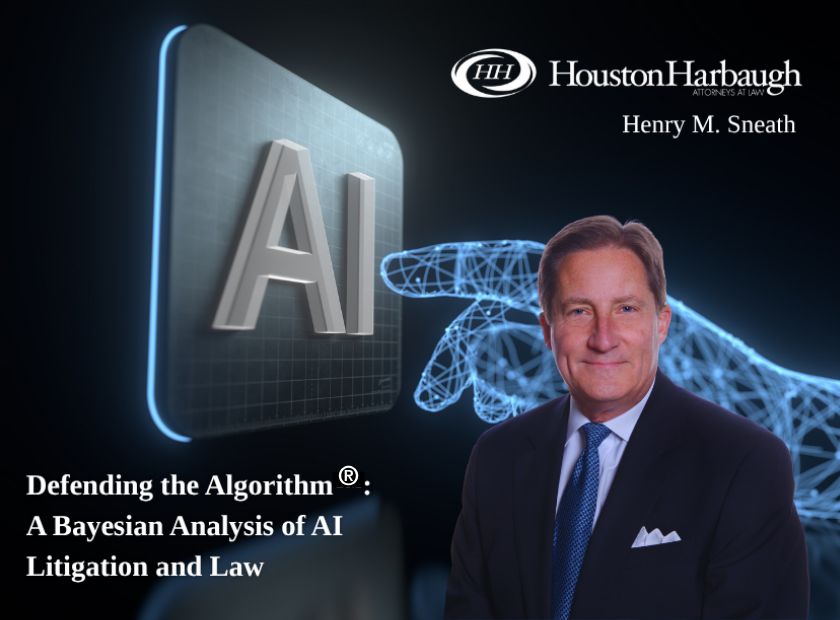
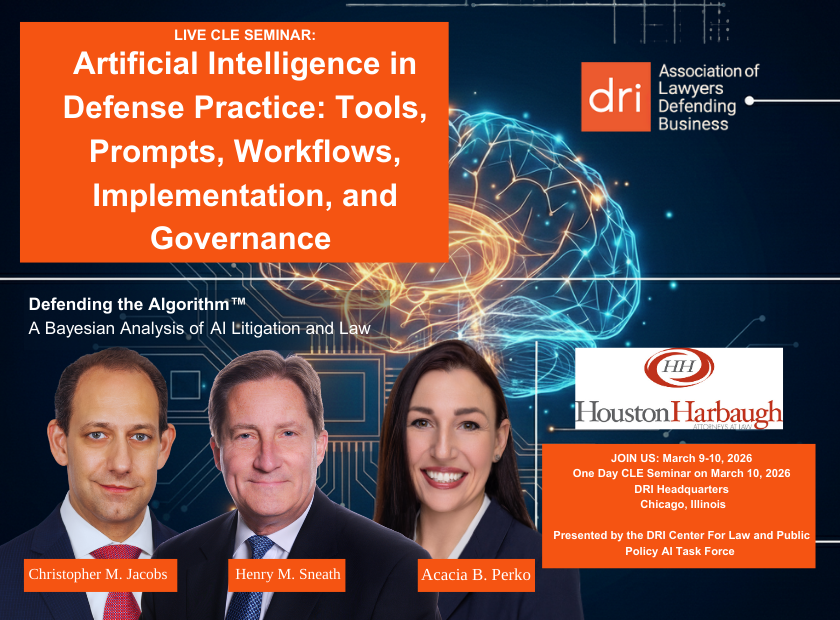
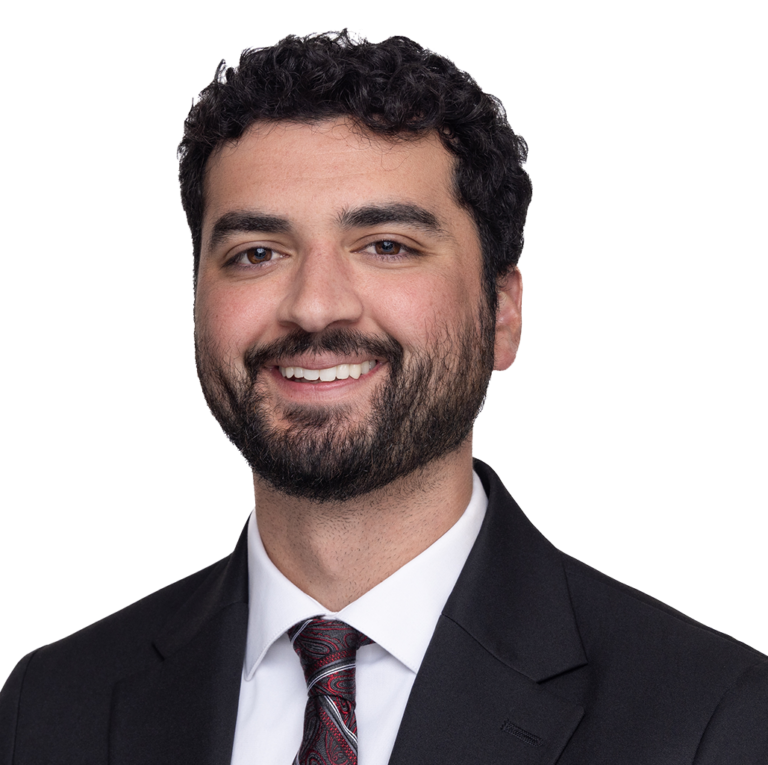
Houston Harbaugh, P.C. Director Henry M. Sneath spoke on September 18, 2026, at the Tri-State Defense Lawyers Association (TDLA) 18th Annual Meeting in Portsmouth, New Hampshire. His two-hour CLE program, “Defending the Algorithm®: Practical, Responsible AI for the Civil Defense Practice,” gave attendees a practical and working framework for using generative AI ethically and for defending the growing number of lawsuits that involve it.
From article to podium
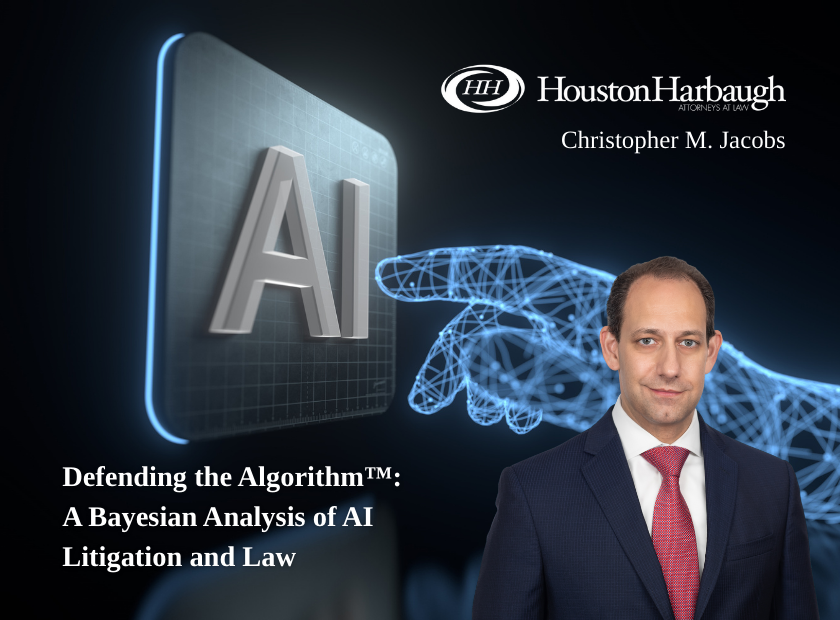
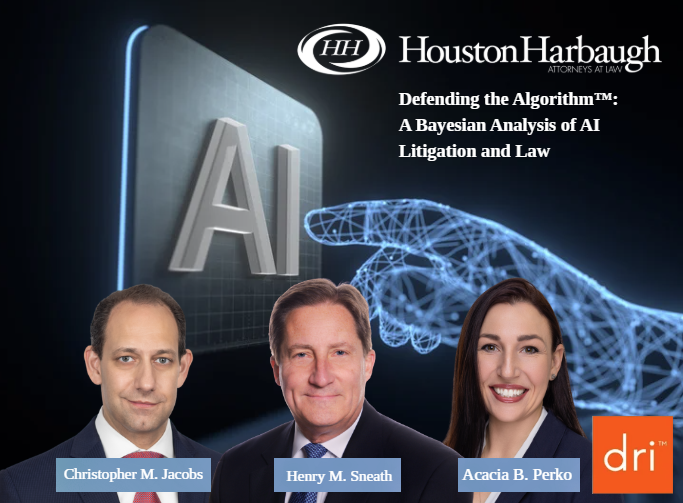
The program builds on Henry’s award-winning article, “Defending the Algorithm®: A Bayesian Analysis of AI Litigation and Law,” co-authored with Houston Harbaugh attorney Christopher M. Jacobs and published in the January 2026 issue of DRI’s For The Defense. The article’s premise is that AI is a Bayesian probability engine, not a search engine. It is a tool that performs tasks to help trial lawyers weigh evidence and research results to better manage and analyze their read of a case. Trial lawyers are already Bayesian thinkers and are well suited to supervise a tool that works the same way. AI performs the task. The AI prompting lawyer establishes the purpose.
A program in four parts
- The Bayesian Lawyer with AI. How large language models actually work, the vocabulary every litigator needs, and what AI is and is not.
- Ethics, Privilege and Responsible AI Use. ABA Formal Opinion 512, the New Hampshire Rules of Professional Conduct, and the contrasting privilege rulings in United States v. Heppner and Warner v. Gilbarco. Henry’s “Golden Rule” is never to put privileged or confidential client information into a public AI platform. His second rule is “trust, but verify”: check every citation, every time.
- Practical Adoption of AI. Building an integrated tech stack under a written firm AI policy, with live demonstrations, high-value use cases, and guidance on client expectations and billing transparency.
- The Litigation Landscape. The cases redrawing AI risk, including Bartz v. Anthropic, Reddit v. Anthropic, OpenEvidence v. Pathway, Nippon Life v. OpenAI and Lokken v. UnitedHealth, plus the insurance regulations and bad-faith theories that follow from algorithmic claims handling.